Guillermo Horga
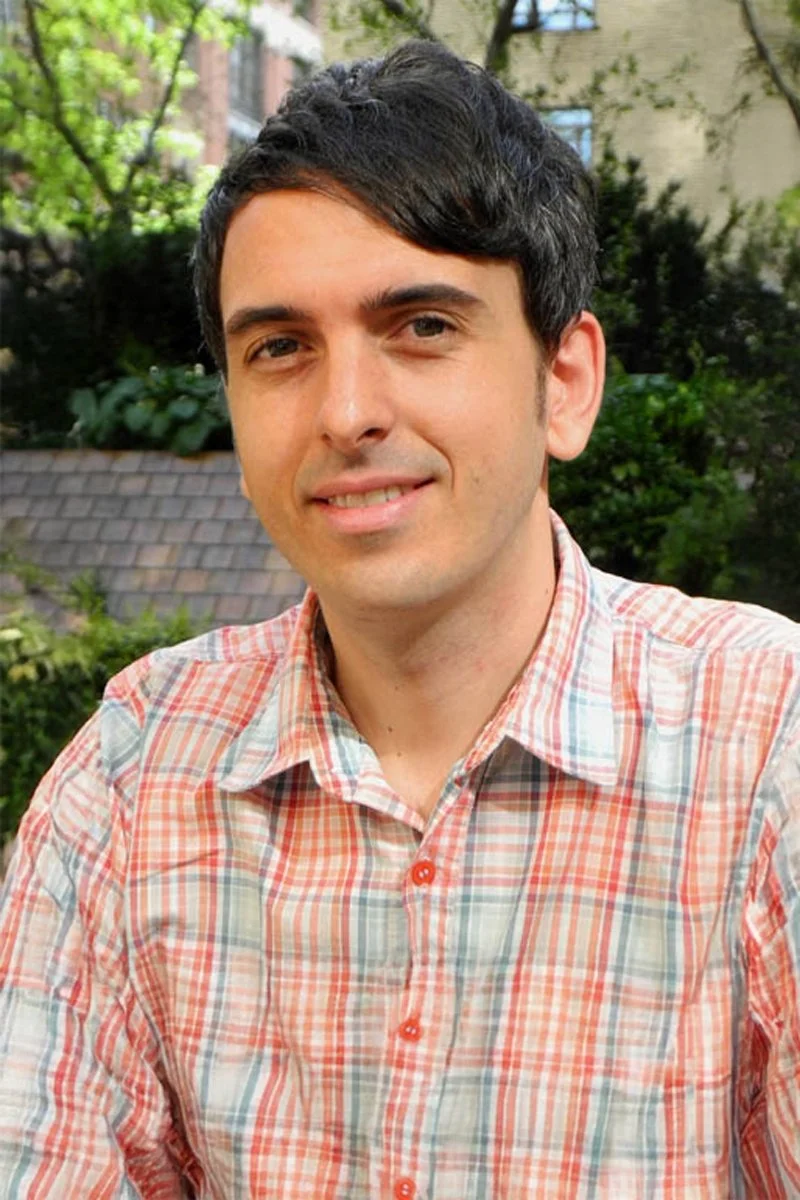
Guillermo Horga
I am a tenured Associate Professor of Psychiatry at Columbia University and the New York State Psychiatric Institute (NYSPI). I also co-direct a new center at NYSPI, the Center for Clinical, Cognitive, and Computational Neuroscience (C3N), focused on applied cognitive and computational approaches to psychiatry, and am an affiliate member of the Columbia Center for Theoretical Neuroscience. I am clinically trained as a psychiatrist and completed a PhD in clinical and experimental neuroscience at the University of Barcelona and a postdoctoral research fellowship with Brad Peterson at Columbia University, where I acquired expertise in advanced neuroimaging methods and cognitive and developmental neuroscience applied to the mechanistic study of cognition in health and mental illness. Work in my lab is focused on human cognitive and computational neuroscience and multimodal neuroimaging of psychosis, with a long-standing focus on auditory verbal hallucinations. This research, funded by NIMH and foundation grants, currently focuses on two major themes. The first is on quantifying the dopamine-related and inferential processes underlying psychosis in schizophrenia, using a theory-driven computational framework focused on perceptual inference to explain hallucinations and delusions. A second line of work focuses on the development and validation of behavioral, computational, and neuroimaging markers for schizophrenia. In particular, my lab has pioneered validations, optimization (e.g., to enhance reliability), harmonization methods, and applications of neuromelanin-sensitive MRI to psychotic disorders as well as to multi-site samples. For these lines of work, we have also developed several fMRI, cognitive, and analytical methods (including several novel tasks and related computational- model-based analyses) to study perceptual inference and its alterations in psychotic disorders.